Now that we’ve covered the flights, accommodation and ground transportation, let’s have a look at what our food options are.
Food expenses are to be taken into consideration when traveling. Once again, your destination will definitely affect the price tag on what you will eat during your stay.
Food will always be a significant part of your expenses and therefore can benefit from a considered approach.
Your destination will play a key role in food options, as they will be very different if you go somewhere like Las Vegas versus a place like Thailand!
Street Food
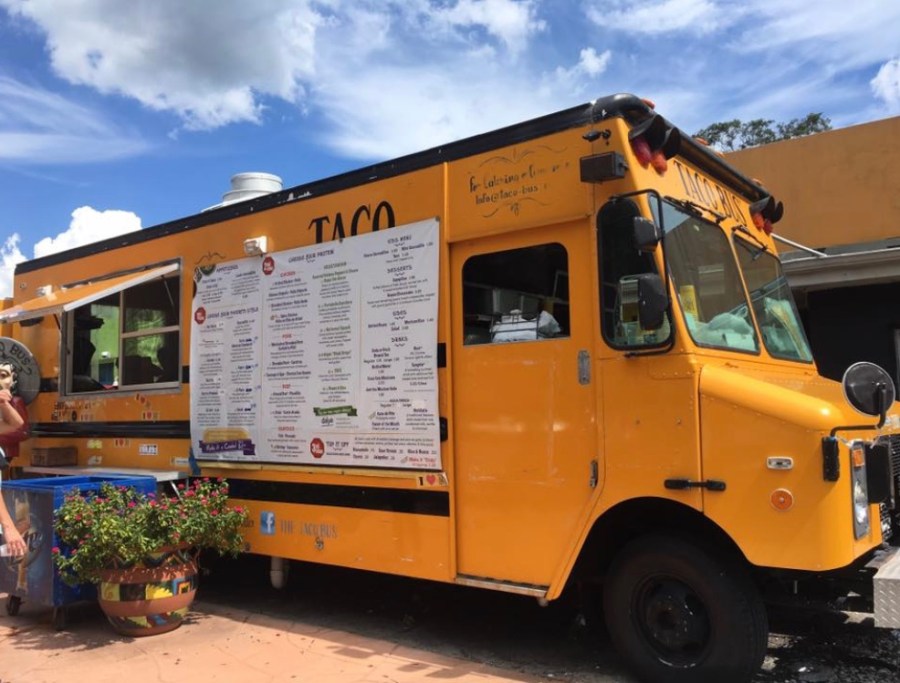
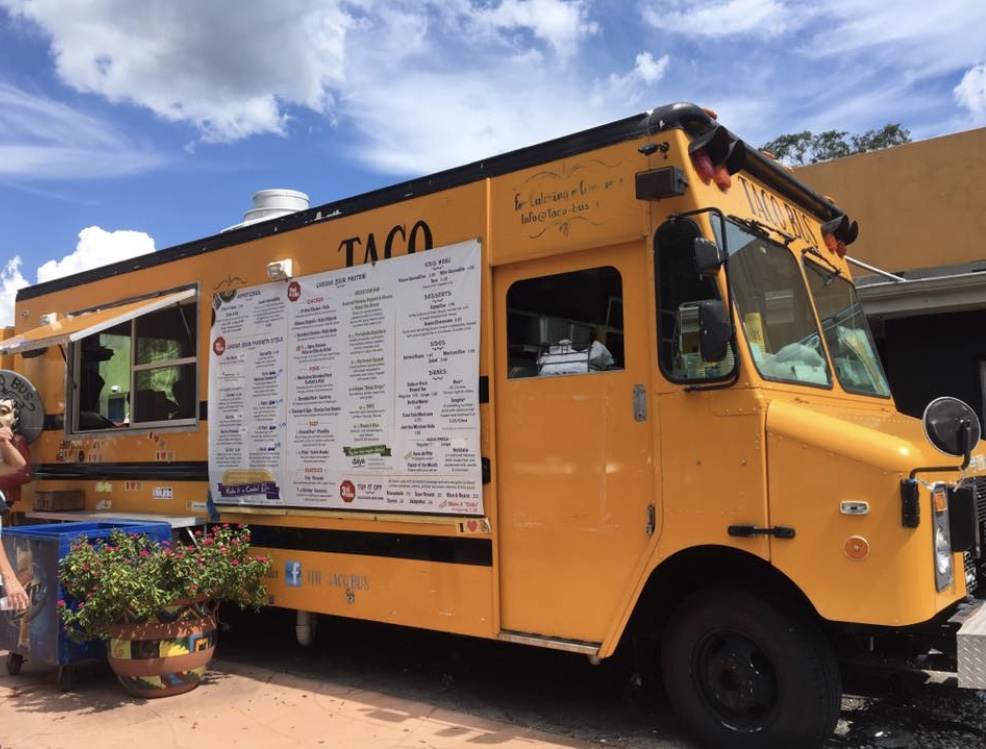
If you are traveling on a strict budget, which is of course the zeitgeist of this blog, a great option may be street food. Generally inexpensive and diverse, street food will give you a taste of the local cuisine of the place you are visiting.
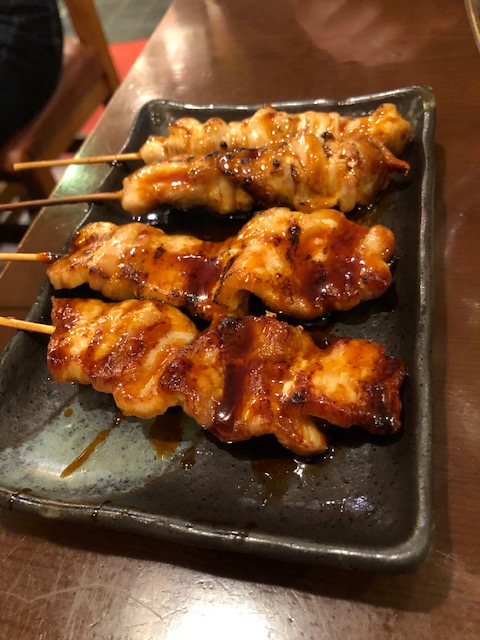
In Asia, street vendors are very common and for a few dollars, you can get a decent meal. In Tokyo for example, you can get yakitori for about $2 a piece. Yakitori are various types of meat skewered and grilled.
If you go to a place like New York, you can easily grab hot dogs and pretzel all over the city for a cheap price.
Of course I wouldn’t recommend doing this for every meal but it is something that can be done once in a while to avoid the higher price tag of restaurants.
Local spots
Another awesome way to eat on a budget are local spots instead of the big chains and tourist traps (which we will cover shortly). If you venture a little bit out of the tourist area and maybe just not go to the obvious places, you might get an amazing experience that you wouldn’t have had otherwise. If you know anybody that has been to the place you want to go or someone who lived there before, make sure to ask for suggestions.
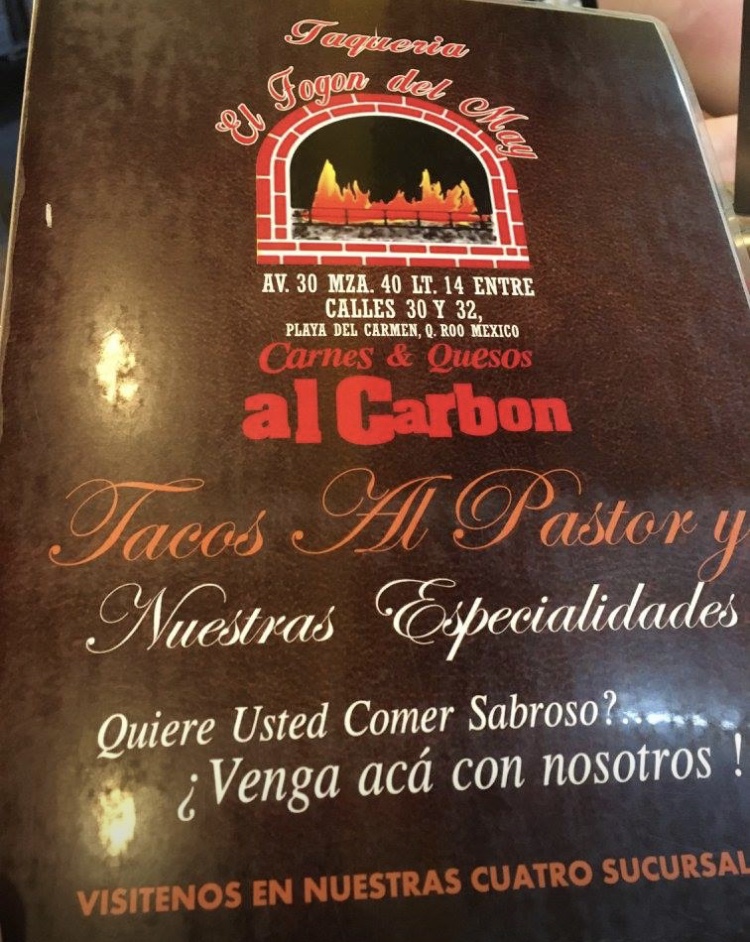
I went to Playa Del Carmen in Mexico a few years ago and was recommended a restaurant called Taqueria Del Fogon. It was hands down the best meal of the trip and we even went twice during our stay. It was just a local Mexican food joint and the food was amazing, generous portions and very reasonable prices! I would have never heard about that place if I didn’t ask an acquaintance for some recommendations. That is the joy of
discovering new places.
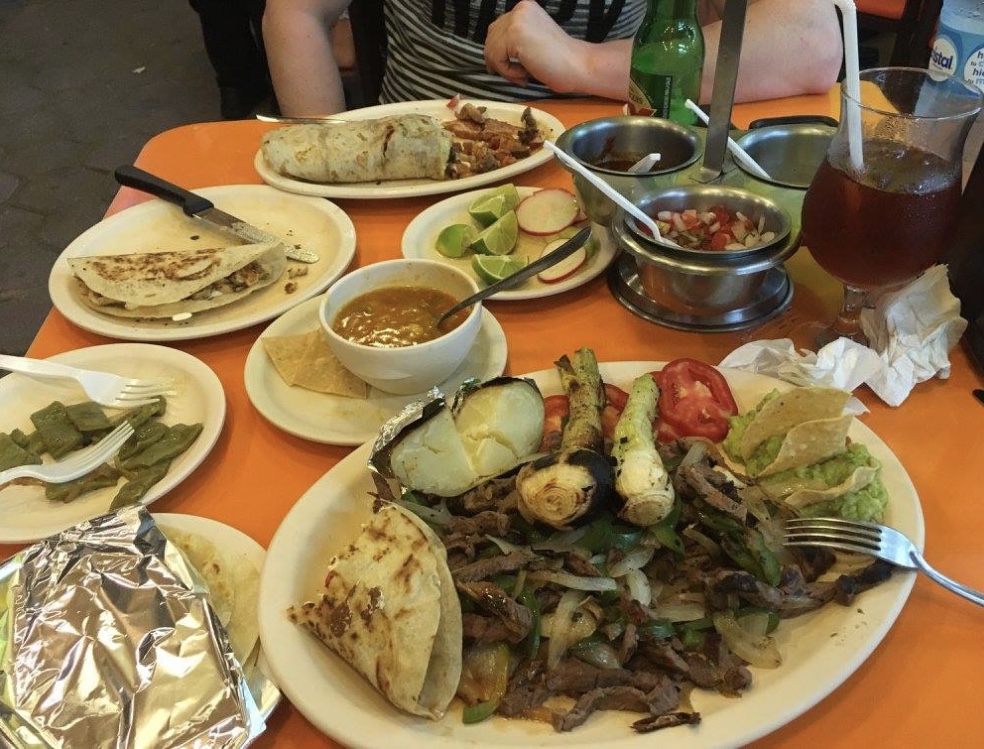
Ask the staff at the hotel or your rental host for some recommendations and do not hesitate to tell them that you want something off the beaten path. They will probably be happy to share their local tips with you. In a way, it almost shows respect that you are willing to discover new places where the “regular people” go.
Tourist Trap
One of the things to avoid if you are traveling on a budget is definitely the infamous “tourist trap.” Big chains, fancy restaurants, themed restaurants and any located near the very busy tourist attractions. Any restaurant in the Eiffel Tower area in Paris will cost you way more than if you just go a few blocks away. People want something that is easily available, when they want it. Any big name restaurant will be more expensive than a local one.
An excellent example for that would be pretty much everything on the main strip in Niagara Falls. I will talk about the Canadian side of the Falls here. There are so many restaurants there and the city mainly lives on tourism BUT you should be picky when attempting to eat out there. Not only are the prices beefed up because of the area but they also charge a “tourist tax” of 15% on top of you regular tax!! Even if you try to fight this with the restaurant staff, as they usually do not mention it before you are well fed and ready to go, it won’t change a thing.
I once had a voucher at Ruth’s Chris and even after the coupon, it ended up costing more than the same meal at a Ruth’s Chris locating anywhere else BUT Niagara Falls.

Grocery store
Another good option to definitely take into consideration is grocery shopping.
Especially if you are staying at an Airbnb or any other similar rentals. As I
mentioned earlier in this post, one of the main advantage of renting a place
equipped with a kitchen is that you can cook meal instead of always eating out.
In a place like Iceland for example, where the food is extremely expensive, going grocery shopping and planning some meals at “home” is very cost efficient. A very simple burger at an average restaurant can cost you up to $30 Canadian. A basic rum and Coke at the local bar will translate into a $25 charge on your credit card.
When the food and beverages are that pricey and considering how long you are there, it might be wise to buy your food at the store and maybe do breakfast and lunch at “home”. Liquor is also very expensive there and in many other destinations so you might want to stock up at the Duty Free at the airport. You will be happy you did when you want a night cap.
I hope this post will help you in making smart food decisions for your next trip. Food should be an important part of your travel experience but hopefully not your biggest expense!
 cindy vs the world